


Learning Spanish numbers is an essential step for anyone beginning their journey with the language. Whether you’re travelling to a Spanish-speaking country, learning for fun, or expanding your linguistic skills, mastering numbers provides a solid foundation for communication.
From understanding basic numbers like uno (1) and dos (2) to confidently saying larger numbers such as ochenta y siete (87) or ciento uno (101), this guide provides practical tips to master Spanish numbers quickly.
Why Learning Spanish Numbers is Important
Learning Spanish numbers, or numbers in Spanish, is more than memorising words—it’s about unlocking a vital part of the language. Here’s why it’s so important:
- Daily Communication: Numbers appear in conversations about phone numbers (número de teléfono), addresses, dates, and currency.
- Travel in Latin America and Spain: Knowing numbers makes it easier to shop, navigate transport schedules, or order food confidently.
- Cultural Connection: Numbers are used in traditional celebrations like quinceañeras (15th birthday parties in Latin America) or historical dates like cinco de mayo.
- Foundation for Language Skills: Counting in Spanish strengthens your grasp of pronunciation, vocabulary, and grammar.
- Real-Life Applications: Numbers are essential for time-telling, sharing measurements, and even understanding local superstitions.
Common Scenarios for Spanish Number Usage
Spanish numbers are indispensable for everyday situations in Spanish-speaking countries. Some common scenarios include:
- Shopping: Numbers are used when asking prices, like “¿Cuánto cuesta? Ochenta y siete euros.”
- Dining Out: When ordering food or drinks, you might say, “Quiero tres tapas y dos vinos.”
- Phone Numbers: Numbers are exchanged frequently, such as “Mi número es nueve tres uno, cuarenta y seis, ochenta y uno.”
The Basics: Spanish Numbers 1 to 100
To begin mastering numbers in Spanish, start with the basics from 1 to 100. These are the foundation for learning larger numbers. Here’s a handy table:
Here is the extracted content formatted into a table based on the text recognition:
| Number | Spanish Word | Phonetic Guide |
|---|---|---|
| 1 | uno | oo-noh |
| 2 | dos | dos |
| 3 | tres | tres |
| 10 | diez | dyehs |
| 21 | veintiuno | beyn-tee-oo-noh |
| 33 | treinta y tres | treyn-tah ee tres |
| 42 | cuarenta y dos | kwah-ren-tah ee dos |
| 56 | cincuenta y seis | seen-kwen-tah ee seis |
| 87 | ochenta y siete | oh-chen-tah ee syet-teh |
Advanced Numbers: Beyond 100
Once you’re confident with numbers up to 100, you can expand your knowledge with larger numbers. Here’s a breakdown:
| Number | Spanish Word | Phonetic Guide |
|---|---|---|
| 101 | ciento uno | syen-toh oo-noh |
| 150 | ciento cincuenta | syen-toh seen-kwen-tah |
| 1,000 | mil | meel |
| 10,000 | diez mil | dyehs meel |
| 1,000,000 | un millón | oon mee-yon |
Note: Cardinal numbers like mil (thousand) and millón (million) are used for counting. However, ordinal numbers are used for order, such as primero (first) and segundo (second).
How to Pronounce Spanish Numbers Correctly
Proper pronunciation is crucial when learning Spanish numbers, as it ensures you’re understood in real-life situations. Some numbers, like veinticuatro (24) or ochenta y ocho (88), might be tricky at first.
Pronunciation Tips:
- Tricky Numbers:
- Ochenta y ocho: oh-chen-tah ee oh-choh
- Sesenta y cuatro: seh-sen-tah ee kwah-troh
- Cincuenta y seis: seen-kwen-tah ee seis
- Audio Clips: Tools like Duolingo, Forvo, and Google Translate can help you hear the correct pronunciation of words like noventa y seis or setenta y dos.
- Phonetic Rules: Pay attention to accent marks and syllable stress, especially in numbers like veintidós or cincuenta y tres.
How Spanish Numbers Are Used in Daily Life
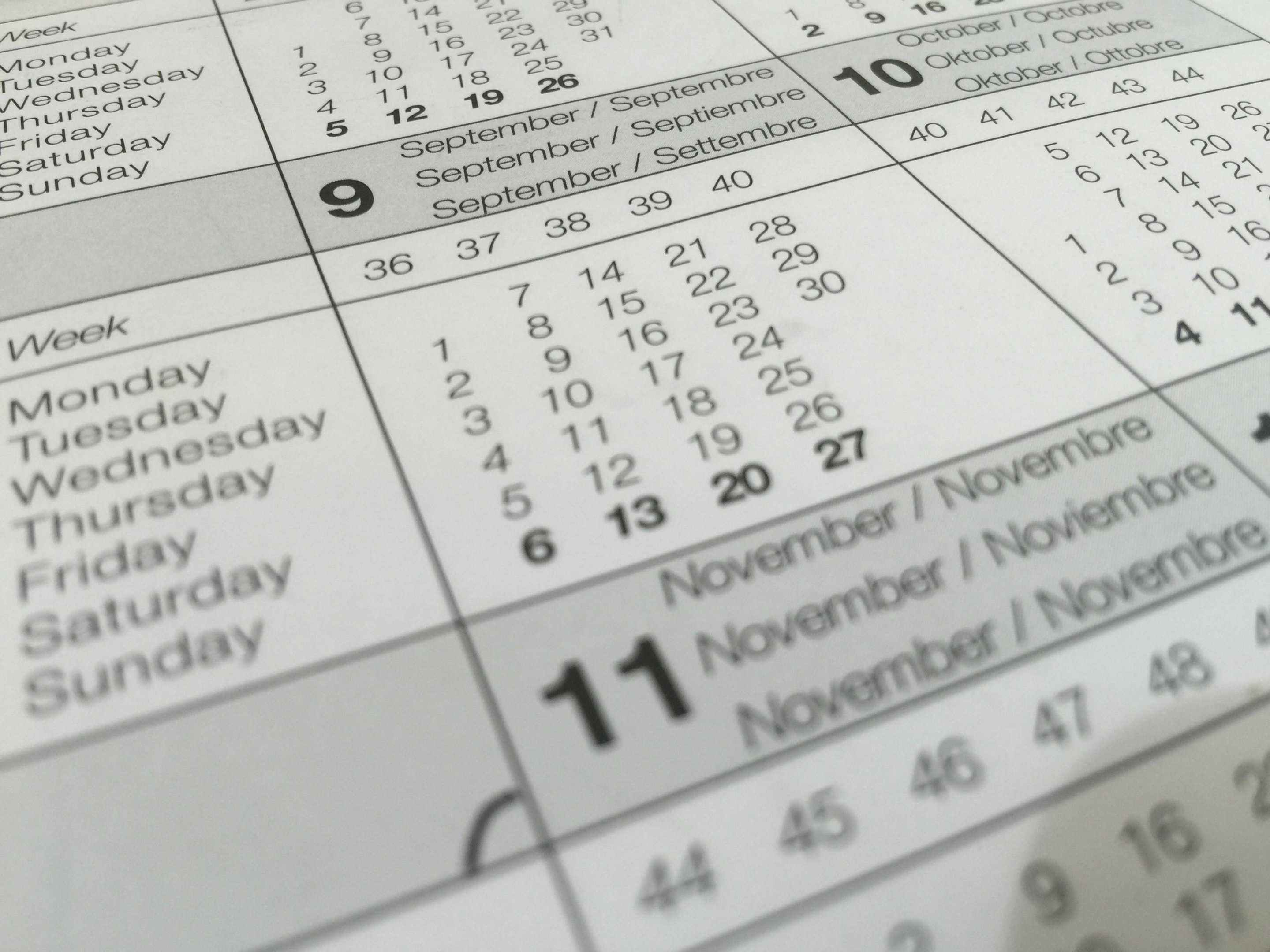
In everyday life, numbers are everywhere in the Spanish language. Here’s how they’re commonly used:
- Dates: Spanish uses ordinal numbers for the day and cardinal numbers for the year (el cinco de mayo de mil ochocientos sesenta y dos).
- Phone Numbers: Numbers are often grouped in pairs or threes, such as “Ochenta y siete, treinta y dos, cincuenta y ocho.”
- Currency: Prices are typically stated as cuarenta y cinco euros con treinta céntimos (€45.30).
- Addresses: Calle Mayor número cincuenta y dos (52).
Fun Facts and Superstitions of Spanish Numbers
Spanish numbers also have cultural significance:
- Unlucky Numbers: Like 13 in many cultures, trece is considered unlucky in Spanish-speaking countries.
- Lucky Numbers: Siete (7) is regarded as a lucky number in both Spain and Latin America.
- Unique Expressions: Numbers are often used metaphorically in phrases, such as más vale tarde que nunca (“better late than never”).
- Games: Popular activities like lotería (Spanish bingo) rely on knowing numbers.
How To Learn Spanish Numbers Quickly

Learning Spanish numbers is a fundamental step in mastering the Spanish language. Whether you’re travelling to Spain or Latin America, or simply want to improve your Spanish language skills, being able to count and use numbers is crucial for daily interactions.
From shopping to exchanging phone numbers, Spanish numbers are used everywhere, and with the right strategies, you can learn them quickly and effectively.
1. Start with Numbers 0-10
The first step is mastering numbers from cero to diez, as they form the basis for larger numbers.
2. Learn the Patterns in Numbers
Recognising patterns simplifies counting, such as:
- Veinte y uno (21) to veinte y nueve (29).
- Cuarenta y seis (46) to cuarenta y ocho (48).
3. Use Flashcards for Quick Recall
Write numbers like noventa y dos on one side and their translations on the other. Flashcards are excellent for learning cardinal and ordinal numbers.
4. Incorporate Numbers into Daily Life
Practice counting during routine activities, like saying cincuenta y seis aloud while counting steps or groceries.
5. Engage in Listening Practice
Listen to Spanish songs, news, or podcasts. Numbers like noventa y ocho (98) and setenta y tres (73) are often spoken quickly in natural conversations.
6. Utilise Online Exercises and Apps
Apps like Babbel and Quizlet include Spanish numbers translation exercises, with focus on pronunciation and patterns.
7. Practice Writing in Spanish
Write sentences like Cincuenta y tres años (53 years) or Cuarenta y cinco euros (45 euros).
8. Play Number Games
Games like bingo and flashcard matching help reinforce numbers like ochenta y dos (82) and sesenta y uno (61).
9. Use Association Techniques
Link numbers to visual objects. For example, dos (2) could be associated with a pair of shoes, while tres (3) might resemble a triangle.
10. Set Consistent Practice Goals
Dedicate at least 15 minutes a day to counting in Spanish. With enough practice, numbers like cuarenta y cuatro (44) and noventa y cuatro (94) will become second nature.
Start Your Spanish Number Journey with Spanish Explorer
Want to take your Spanish language skills further? Visit Spanish Explorer to access interactive lessons, audio clips, and pronunciation guides tailored to your learning style.
Conclusion
Mastering Spanish numbers unlocks many practical and cultural benefits, from improving your ability to communicate in Spanish-speaking countries to understanding traditions in Latin America and Spain. By following the tips in this guide, using tools like flashcards and online exercises, and practicing consistently, you’ll be confidently counting and using numbers like cincuenta y ocho and noventa y uno in no time.
Ready to start your journey? Begin counting today!
Sorry, the comment form is closed at this time.